
Stop guessing how to scale revenue from what you have.
Most products have more revenue potential than the team running them realizes.
Scale my revenueNew customer acquisition gets most of the attention. It also gets most of the budget, most of the stress, and most of the blame when growth stalls. Meanwhile, the customers you already have — and the pricing tiers you never adjusted — are sitting there untouched.
Scaling revenue from an existing product is a different problem than finding new customers. It requires looking at expansion revenue, pricing leverage, channel gaps, and retention in the same conversation — not in four separate quarterly reviews.
When those four things move together, revenue compounds. When they move separately, you get incremental progress that feels like a ceiling.
By the numbers
Everything between the goal and the result
Expansion Revenue Recognized
Upsells, cross-sells, and tier upgrades from existing customers generate revenue at a fraction of the acquisition cost. Companies that track expansion revenue separately from new ARR grow faster and spend less doing it.
Pricing That Reflects Value
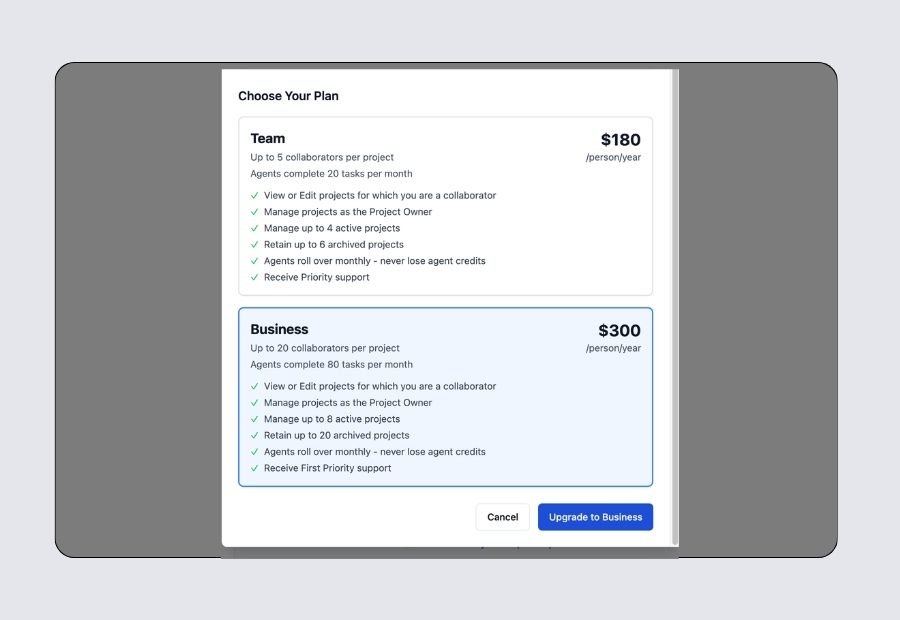
Most early-stage products are underpriced relative to the outcome they deliver. A pricing lever analysis surfaces where customers would pay more — and which segments are price-sensitive enough to keep where they are.
Channels That Actually Convert
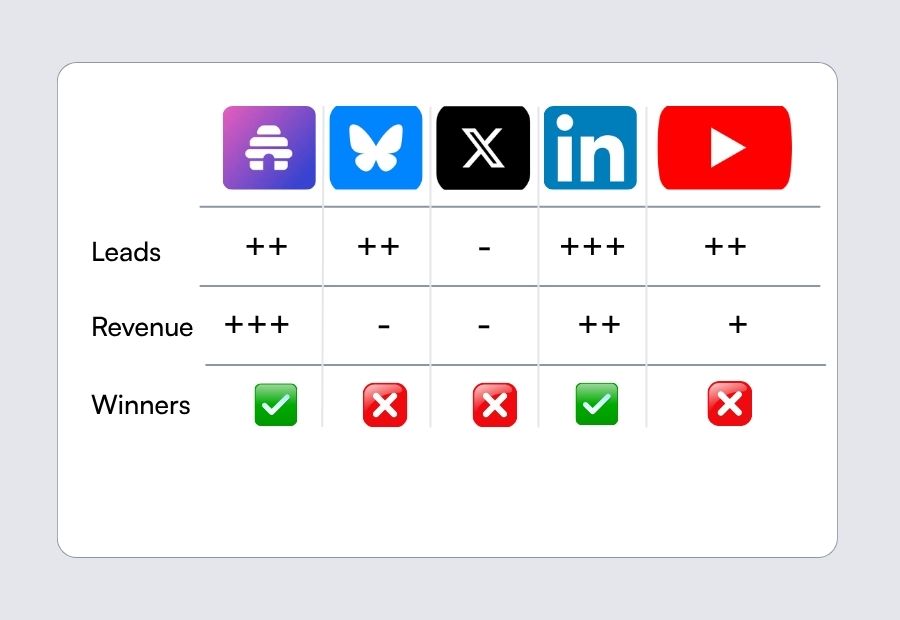
Diversifying channels doesn’t mean being everywhere. It means finding the second channel that converts at a cost that makes sense, then building on it before the first one gets crowded or expensive.
Customer Success as a Revenue Engine
When customer success is measured by retention and expansion — not just ticket volume — it stops being a cost center. Customers who succeed with your product buy more and refer more, without prompting.
A Plan That Connects the Levers
Pricing, channels, retention, and expansion only compound when they’re coordinated. A structured sprint that sequences those moves correctly closes more revenue than running all four at once with no priority.
Progress You Can See
Revenue growth without a visible plan is invisible until it’s a problem. A tracked, task-level view of your revenue strategy makes it clear what’s working, what’s stalled, and what needs to move next.
How it works, step by step


That’s how long it takes to turn your revenue goal into a structured, task-level plan with every lever mapped.
What changes when you get this right
Expansion revenue shows up as its own line in your reporting — and it’s growing faster than new acquisition.
Pricing conversations with prospects get easier because the tiers reflect real value, not guesswork from two years ago.
A second channel is converting at a cost that makes sense, so a single platform change can’t stall your growth.
Customer success is measured by revenue retained and expanded, not by how fast tickets close.
Revenue compounds month over month because pricing, retention, and expansion are moving in the same direction at the same time.
You can see exactly what’s driving growth and what needs to move next — without building a report from scratch each quarter.
Common questions
The answers founders ask before they commit time to building this.
What’s the difference between expansion revenue and new acquisition?
New acquisition is revenue from customers who didn’t exist in your book last period. Expansion revenue is additional revenue from customers who already do — through upsells, cross-sells, seat growth, or tier upgrades. Expansion costs a fraction of acquisition and compounds faster when tracked deliberately.
How do I know if my pricing has leverage left in it?
If your highest-tier customers have never churned over price, and your lowest-tier customers are the ones who churn most — there’s room. A pricing lever analysis maps willingness to pay against the outcomes each segment actually gets from the product.
When should I diversify channels versus doubling down on the one that’s working?
Double down until the marginal return on spend starts dropping — then diversify. The mistake is diversifying too early out of anxiety, or too late after the primary channel gets saturated or expensive.
What does customer success have to do with revenue growth?
Everything, when it’s measured correctly. Customers who achieve outcomes with your product renew at higher rates, expand faster, and refer other customers. Customer success becomes a growth engine the moment its metrics are tied to revenue instead of ticket resolution.
How long does a revenue sprint actually take to show results?
Early signals — pricing test results, a second channel’s first conversions, expansion revenue from a proactive outreach — show up within the first few weeks. Compounding results from all four levers moving together take a full plan cycle to materialize.
Do I need a big team to run a revenue sprint?
No. The revenue levers covered here — expansion, pricing, channel, and customer success — are all executable by a founder or a small team. The constraint is usually prioritization and sequencing, not headcount.
Scale existing revenue.
Set your goal. Answer a few questions. CorZen turns it into a week-by-week plan you can run without guessing what comes next.
Choose how quickly you want to scale