
How indie hackers get their first users.
Pick one or two channels where your users already gather, show up there as a real participant, send short personal outreach to people with the exact problem, and turn attention into signups with a clear landing page and fast follow-up.
Plan my first-users sprintThe short answer: indie hackers get their first users by going to where those users already are. Choose one or two channels, participate in those communities before you post your product, message people who have the exact problem you solve, and follow up fast. Treat it as a project with a weekly target, not something you’ll get to after launch.
Building in public gets you followers. Followers are not users. That confusion kills more indie products than bad code ever does.
The founders who get their first 100 users fast share one trait: they treat user acquisition like a project with a deadline, not a vibe they’ll figure out later. They pick two channels, work them hard, and convert attention before it evaporates.
Dropbox founder Drew Houston started with one question: where do early adopters already hang out? He posted a short demo video on Digg. It reached the top of the site within a day, and the beta waiting list grew from 5,000 to 75,000 people (First Round Review).
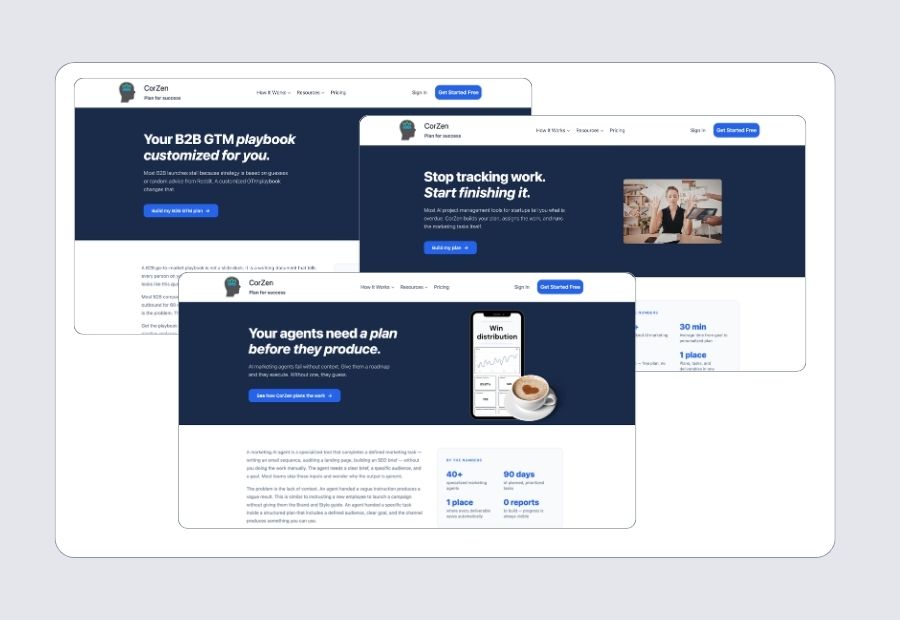
CorZen focuses you on the right moves to make to acquire customers and grow your business.
Last updated: September 29, 2026
By the numbers
What actually gets indie products their first users?
Build in public is a channel, not a strategy
Posting your journey on X or LinkedIn generates awareness, not signups, unless you tie every post to a clear next action. The founders who convert followers into users give them somewhere to go. Every post ends with a link, a question, or a reason to reply.
Communities where indie products get traction
Hacker News, Product Hunt, Reddit, and niche Discord servers each work differently. The common thread is that you have to be a real participant before you drop your product link. Accounts with zero post history get ignored. Accounts with context get clicks.
Cold outreach without being spammy
One personalized sentence beats a five-paragraph pitch every time. Find the people who already have the problem your product solves, name the problem specifically, and ask one direct question. That is the whole formula.
Converting attention into signups
Attention is not a conversion. You need a landing page that names the problem in the first sentence, a CTA that tells visitors exactly what happens when they click, and a follow-up email that arrives within five minutes. Most indie products fail at all three.
User growth as a quarterly goal
Vague goals produce vague results. Fifty users in 90 days is a real target. It implies a weekly number, a channel mix, and a conversion rate you can test and fix. Structured goals make the bottleneck visible.
First users who give feedback
Your first 10 users are not revenue. They are signal. The outcome you want is users who email you unprompted, tell their peers, and come back. That only happens if you reach people with the exact problem — not everyone who might one day have it.
How do you get your first users, step by step?


more replies from sending just one follow-up email (Backlinko and Pitchbox, 12 million outreach emails). Personal, persistent outreach beats volume.
What changes when you get this right
Users describe your product to other people using your exact words — because you found the right people first.
Your inbox has feedback requests and referrals instead of silence.
A clear channel produces signups on a predictable schedule, not random spikes you cannot explain.
Early users stay long enough to give you the signal you need to improve the product.
You stop guessing which message is working because the data from your first sprint tells you.
Growth becomes a system you run, not a problem you carry around in your head.
Common questions about getting first users
The answers founders ask before they commit time to building this.
How many users do I actually need before my indie product is viable?
There is no universal number. Ten deeply engaged users who give you unprompted feedback tell you more than 500 signups who never return. Start with a target that forces a specific weekly action — 50 users in 90 days is a common and realistic starting point.
Does building in public actually help you get first users?
It can, but only if every post gives the audience somewhere to go. Building in public without a link, a signup, or a reply prompt generates goodwill, not users. Treat it as one channel, not your whole strategy.
Which communities work best for indie product launches?
Hacker News Show HN, Product Hunt, and niche subreddits or Discord servers relevant to your problem space consistently produce early traction. The key variable is whether you have any presence in the community before you post your product.
Is cold outreach worth the time for an indie hacker?
Yes, if it is specific. A message that names someone’s exact problem and asks one direct question gets replies. A mass pitch does not. In Backlinko’s study of 12 million outreach emails, a personalized message body lifted replies by 32.7%, and a single follow-up lifted them by 65.8%.
How does CorZen help with getting first users?
CorZen runs a short discovery interview, then builds a quarterly plan broken into weekly tasks — each one mapped to a specific first-users goal. Marketing agents inside the platform write the emails, landing page copy, and outreach sequences directly from the task card.
What if I have no audience and no community presence yet?
Start with cold outreach and one community you commit to participating in daily for 30 days. Audience-building takes months. Direct outreach to people with the problem takes days. Both matter, but only one produces users this week.
Are you ready to get your first customers?
Set your goal. Answer a few questions. CorZen turns it into a week-by-week plan you can run without guessing what comes next.
Choose how quickly you want to grow