
How to find customers for your SaaS.
Name one specific buyer, go to the one channel where that buyer already spends time, write messages that name their pain, and work that channel every week long enough to see what converts.
Find customersTo find customers for your SaaS, start narrow. Define one buyer precisely: job title, company stage, and the pain that makes them look for a fix today. Pick the one channel where that buyer already spends time, such as developer communities for technical buyers or cold email and LinkedIn for small-business owners. Send messages that name the pain, follow up, and track reply rates, demo bookings and trial conversions every week.
Most SaaS founders struggle to acquire customers due to a lack of focus. They try three channels at once, get diluted results, and conclude that nothing works.
The founders who find customers consistently have done one thing differently. They picked a specific buyer, chose one channel, and worked it long enough to see compounding returns.
That’s the entire playbook. The rest is doing the work every week.
Early customers are more reachable than they seem. New Stripe Atlas startups averaged 242 unique customers in their first six months in 2025, up more than 50% from the year before (Stripe).
Last updated: September 30, 2026
By the numbers
What does a working customer acquisition system give you?
The buyer profile that converts
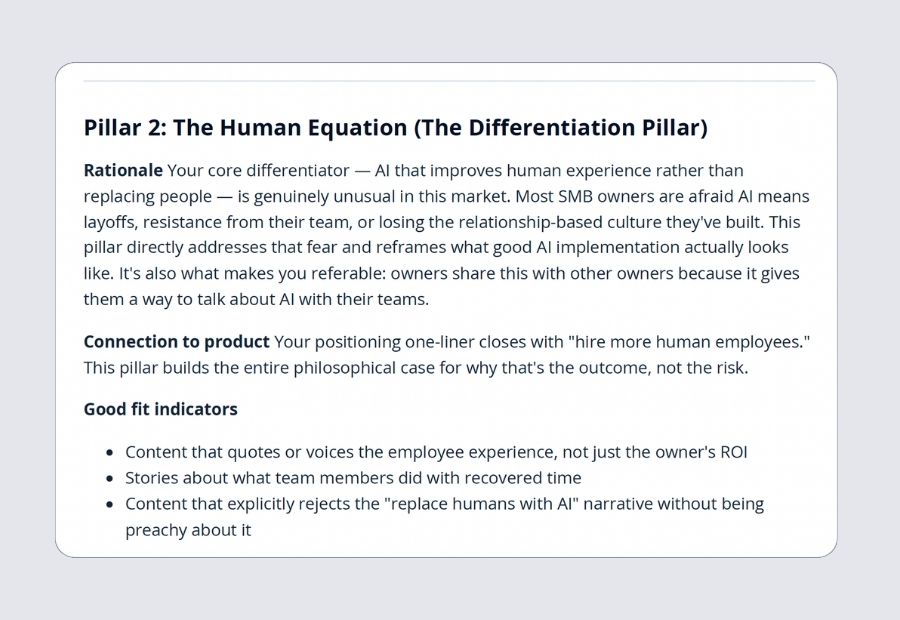
Vague ICPs produce vague messaging. When you name the exact job title, company stage, and pain that triggers a purchase, your outreach converts. Specificity is the differentiator.
One channel working hard
Founders who spread effort across five channels build nothing. One channel, worked consistently, produces data. Data produces improvement. Improvement produces customers.
Messaging that names the pain
Generic value propositions get ignored. When your copy names a specific problem your buyer already feels, they read the next sentence. That’s the only job your messaging has.
A powerful weekly cadence
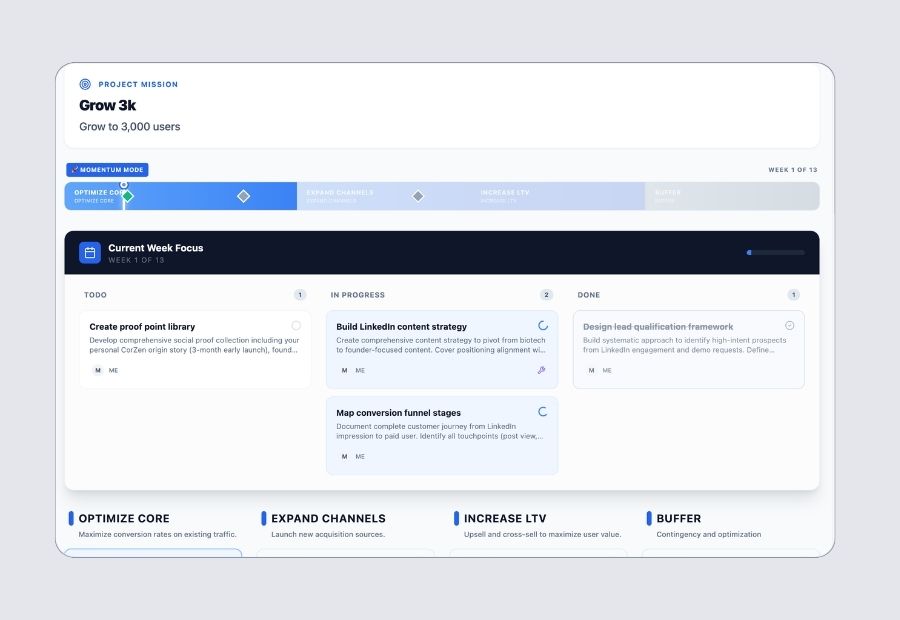
Customer acquisition fails in the gaps between good intentions. A weekly task structure closes the gap. Every week has a job. Nothing falls into a backlog and disappears.
Identify what’s working
Reply rates, demo bookings, and trial conversions tell you more than any framework. Track the right three numbers and you know where to push harder and where to stop.
A plan that keeps you moving
Knowing what to do and having a system that keeps you doing it are different things. The founders who grow consistently have the second one. The rest stay stuck at step one.
How do you find customers for your SaaS, step by step?

users joined Buffer in its first nine months, through about 150 guest posts written by co-founder Leo Widrich (Search Engine Watch, 2012). One channel, worked every week, can carry a SaaS.
What changes when you get this right
Customers refer you to other potential buyers without prompting
Pipeline exists before you need it, not after the last deal closes
Your messaging attracts the right buyer and repels the wrong one automatically
Acquisition work runs on a weekly rhythm instead of sprints followed by silence
You know which channel is working because the numbers say so, not because it feels right
Customer acquisition is a system you operate, not a problem you revisit every quarter
Common questions about finding SaaS customers
Yes. The Free Forever plan is built for solo operators. You get the full planning flow and a shareable project dashboard. Agent credits unlock on paid plans if you want to move more quickly by delegating tasks to AI agents included in the plan.
No. You need ten to twenty conversations with the right buyers. An audience helps later. At the start, direct outreach to a specific person with a specific problem works better than broadcasting to a general following.
If you can name the job title, describe the company stage, and write one sentence about the pain that makes them search for a solution today, your ICP is usable. If your answer is ‘small businesses’ or ‘anyone who needs this,’ it’s not specific enough.
Most channels need consistent effort for several weeks before the data is meaningful. Founders who quit in the first few weeks never see the compounding effect. Commit to one channel long enough to learn from it before switching.
CorZen runs an AI-guided discovery interview, builds an acquisition plan broken into weekly tasks, for the plan length you choose. On Team and Business plans, you can hand those tasks to AI agents that create the deliverables such as email sequences, SEO content, ad copy, and more. The output saves back into your project.
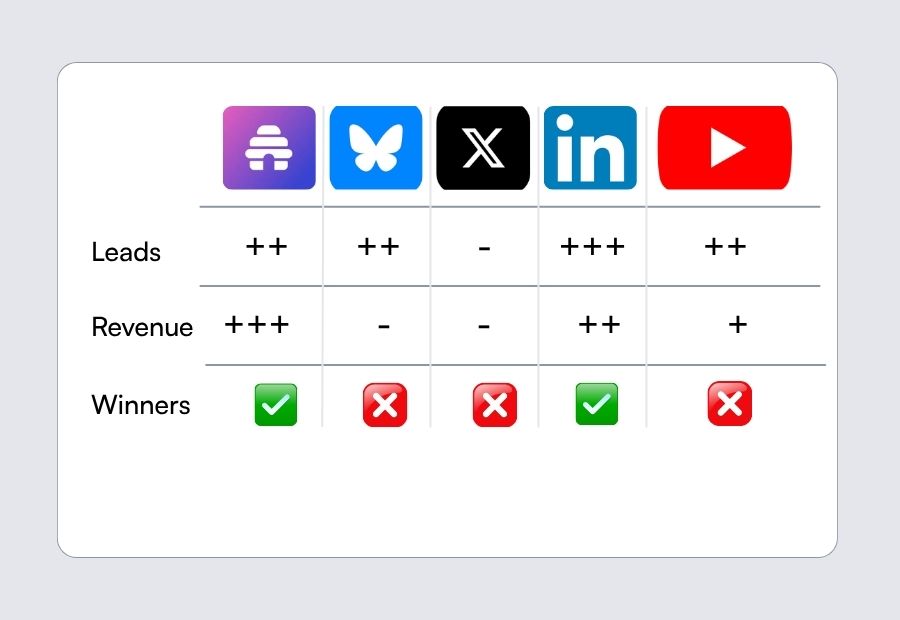
It depends on your buyer. Founders selling to developers get traction from communities, GitHub, and Product Hunt. Founders selling to SMB operators often do better with cold email or LinkedIn outreach. The best channel is the one where your buyer already spends time. Pick that one first.
Master distribution.
Set your goal. Answer a few questions. CorZen turns it into a week-by-week plan you can run without guessing what comes next.
Choose my speed to customer acquisition