
Launch your SaaS without a team.
Solo SaaS launches can generate $40k a week or $0. Using the right tools in the right order decides your revenue.
Build my solo launch planSolo launches that fail typically ship something too big, target everyone, and skip the feedback loop before launch day. It has less to do with your status of ‘solo founder’ and more to do with a lack of systems that other companies use for successful launches.
Getting a solo SaaS launch right means earning paying customers in month one, a feedback loop that strengthens your positioning, and a plan that keeps moving after the initial spike dies down.
CorZen shows you what a successful solo launch looks like in practice — the pre-launch window, launch week itself, and the post-launch work that most failed founders skip entirely.
By the numbers
Everything between the goal and the result
You ship before you’re ready to scale
The best solo launches go live small and tight. A narrow audience, a single channel, one clear promise. Complexity kills momentum before the first customer converts.
Your positioning is specific enough to sting
Generic positioning produces generic results. When your landing page names the exact problem and the exact person, conversion rates jump. Vague copy is the most common and most fixable launch failure.
Pre-launch demand is real, not assumed
A successful launch starts with signal, not hope. Waitlist signups, DM conversations, and early access requests tell you the demand exists before you write a single line of copy.
Launch week has a script
Founders who improvise launch week get poor results. An hour-by-hour plan removes the paralysis. You know what goes out, when, and in what order.
Post-launch is where the revenue actually lives
The launch spike is noise. The 30 days after launch — retargeting, follow-up sequences, positioning refinements — are where most of the revenue comes from. Most solo founders stop too early.
The plan outlives the launch
A launch is a starting line, not a finish line. Founders who come out of launch with a weekly execution plan compound their early traction instead of watching it evaporate.
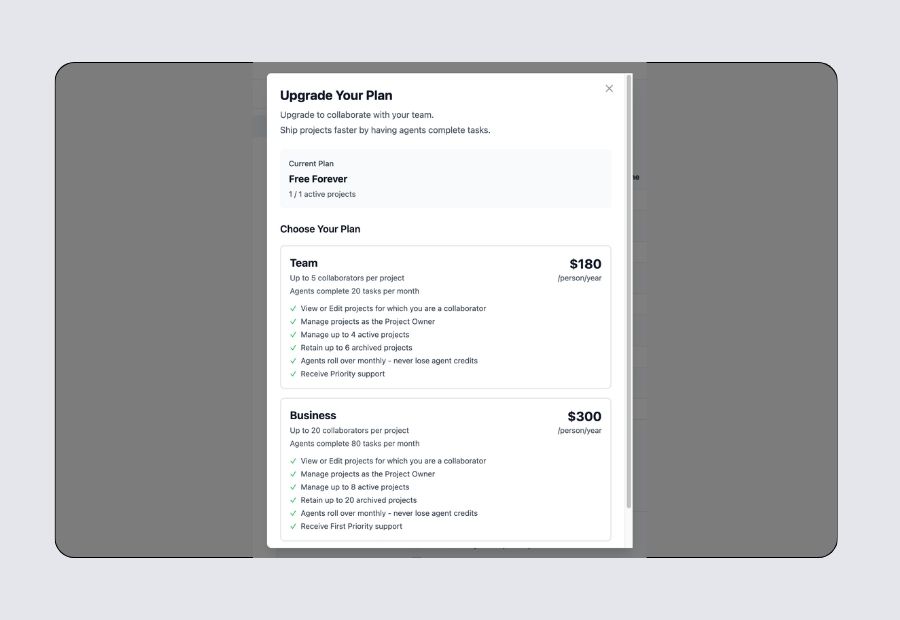
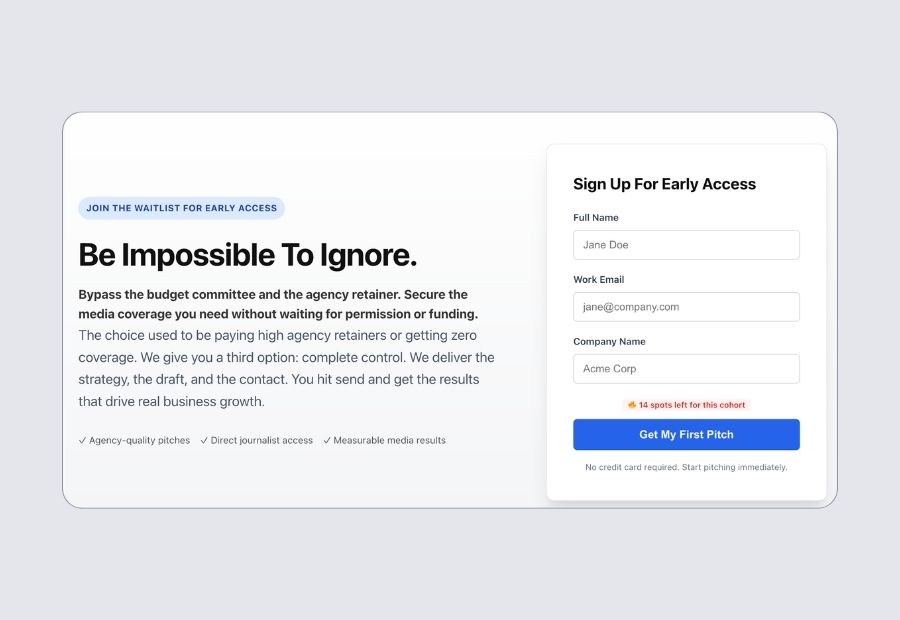
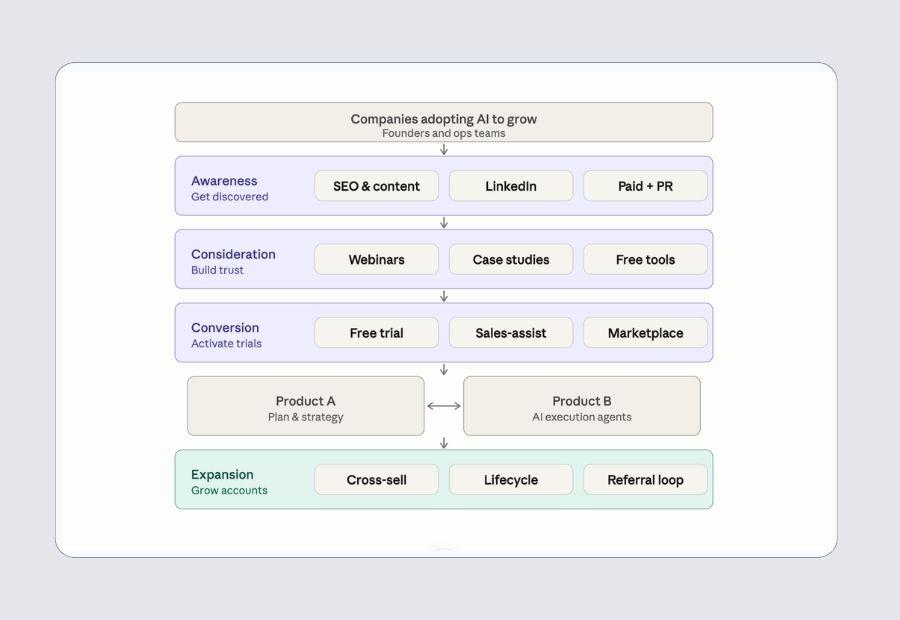
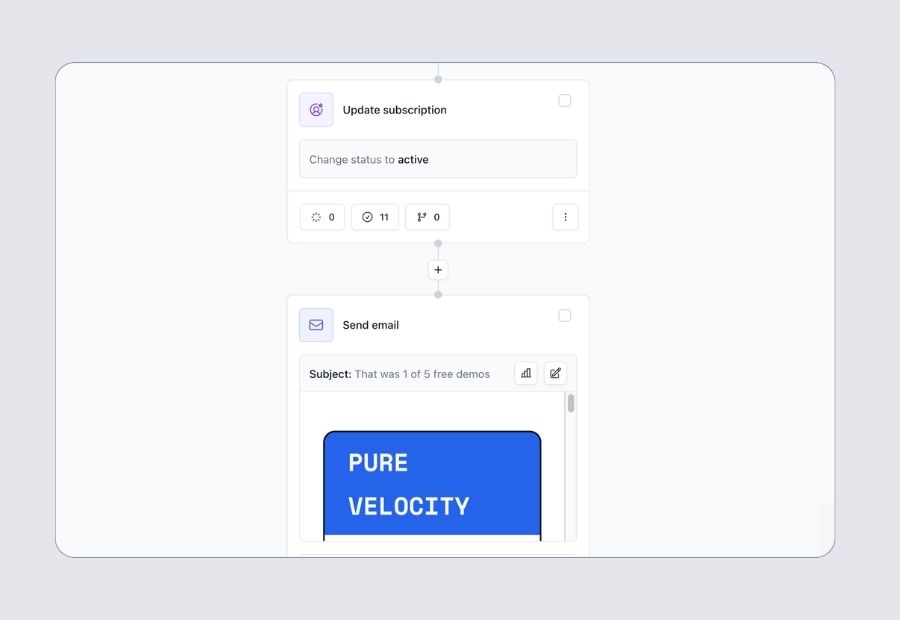
How it works, step by step
That is how long it takes to turn a business objective into a full weekly roadmap using CorZen — not days of blank-page planning.
What changes when you get this right
Paying customers arrive in the first week, not the first quarter.
Your positioning tightens with every conversation instead of drifting.
The post-launch period generates more revenue than launch day itself.
You stop rebuilding your plan from scratch every month.
Channel spend produces predictable returns because the foundation is set.
Growth becomes a process you run, not a problem you react to.
Frequently asked questions
No. You need a tight scope, a specific audience, one channel, and a written plan with weekly tasks. The execution work — email sequences, landing page copy, SEO — can be handled with the right tools. A team is a nice-to-have, not a prerequisite.
Treat the plan as a weekly operating cadence, not a one-time event. Assign every task a clear owner and a deadline. Review what shipped each week and what did not. Launches that sustain traction run on a repeating weekly rhythm, not bursts of effort followed by silence.
Talk to 10 people who match your target customer profile before you write code. If you cannot get 10 people to spend 20 minutes telling you about the problem, you do not have enough demand to launch. A landing page with a waitlist signup is a faster signal than any survey.
Most founders stop. The ones who compound their early traction run a follow-up email sequence to everyone who signed up but did not convert, tighten their homepage copy based on objections they heard, and keep their primary channel warm every week. That work is where the revenue is.
They post once and wait. Launch day is a full-day job. Post in the morning, follow up in comments, DM people who engaged, and post again in the evening. One post does not constitute a launch.
Two weeks minimum. Week one: lock your positioning, publish a landing page, and start collecting waitlist signups. Week two: build your launch day content, queue your email sequence, and confirm your first channel. Anything less and you are improvising on launch day.
Launch. Scale. Grow.
Set your goal. Answer a few questions. CorZen turns it into a week-by-week plan you can run without guessing what comes next.
Show me how to launch successfully